
Vous avez commencé avec une ou deux règles de réduction personnalisées : une offre VIP par-ci, une réduction pour les nouveaux clients par-là. Cela semblait gérable. Puis vous en avez ajouté d'autres : un segment pour les clients grossistes, une promotion à durée limitée, ou une règle basée sur des étiquettes pour les clients fidèles. Maintenant, vous avez huit règles qui fonctionnent simultanément, vos marges semblent un peu faiblir et vous ne savez plus exactement ce qu'un client possédant trois étiquettes éligibles voit au moment du paiement.
Voici la réponse en bref : pour optimiser les remises personnalisées sur Shopify, il est essentiel d'intégrer la gestion des règles de remise à vos pratiques opérationnelles courantes, et non de la configurer ponctuellement. Cela implique de vérifier les règles en vigueur avant d'en ajouter de nouvelles, de nommer et de structurer les règles de manière réfléchie, de paramétrer le cumul des remises de façon appropriée et de désactiver celles qui ne fonctionnent pas. Les marchands qui réussissent dans ce domaine ne sont pas ceux qui ont le plus de règles, mais ceux qui ont les règles les plus claires.
Cet article vous explique précisément comment construire ce système, que vous ressentiez déjà le chaos ou que vous essayiez de l'anticiper avant qu'il ne commence.
Lire "Shopify : Remises par défaut vs Remises intelligentes en 2026« pour comprendre pourquoi il est important de mettre à l’échelle les remises personnalisées sur Shopify. »
Voici à quoi cela ressemble en pratique :
Expansion des zones à prix réduits. Les règles s'accumulent plus vite qu'elles ne sont désactivées. La plupart des commerçants ignorent combien de règles de réduction sont actives à un instant donné. Si vous devez vérifier immédiatement, c'est bien là le problème.
Empilement non intentionnel. Deux règles s'appliquent au même panier. Le client bénéficie d'une réduction de 32%. Vous vouliez dire 15%. Cela se produit discrètement, sur des centaines de commandes, avant même que les statistiques ne s'en aperçoivent.
Dérive du segment. Les étiquettes clients que vous avez créées il y a six mois étaient pertinentes. Mais votre clientèle a évolué. Une étiquette qui désignait autrefois un « client à forte valeur ajoutée » englobe désormais des personnes ayant effectué un seul achat $60 il y a deux ans. Votre remise « VIP » est donc accordée aux mauvaises personnes.
Invisibilité des marges. Les remises sont appliquées, mais vous n'avez plus de visibilité sur leur coût réel par commande. Vous voyez le chiffre d'affaires, mais vous ne voyez pas quelle règle ampute discrètement votre marge de 81 000 £ par semaine.
Ce ne sont pas des cas particuliers. C'est le résultat naturel de la mise à l'échelle. stratégies de remise intelligentes sans développer les habitudes opérationnelles correspondantes.
Avant d'ajouter une nouvelle règle de remise, quelle qu'elle soit, vérifiez les règles en vigueur. Un audit préalable prend 15 minutes et se présente comme suit.
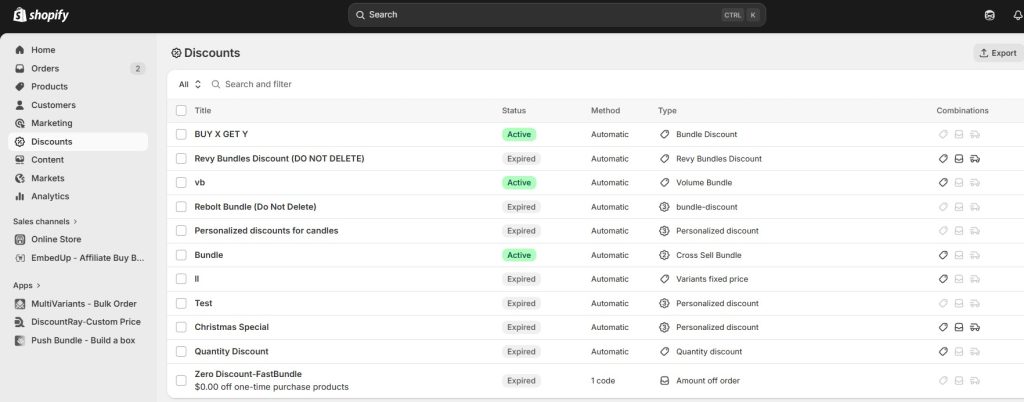
Posez ensuite une seule question : un client remplissait-il les conditions requises pour cette règle ? et Celui juste au-dessus, combien paieraient-ils réellement ?
Si la réponse vous surprend, un problème d'empilement risque de survenir. Corrigez les paramètres de combinaison avant d'ajouter quoi que ce soit.
Cette simple habitude permet d'éviter la plupart des problèmes que rencontrent les commerçants à grande échelle. Ce n'est pas glamour, mais ça marche.
Les commerçants qui gèrent efficacement les remises personnalisées n'ont pas moins de règles, mais des règles mieux organisées. Voici le cadre à suivre.
Énoncez vos règles de manière à ce qu'elles doivent s'expliquer d'elles-mêmes.
« VIP10 » ne vous apprend rien sur les six prochains mois. « VIP-4orders-10pct-nostack » vous indique en un coup d'œil le segment, la condition, l'offre et le comportement de cumul. Cela peut sembler un travail supplémentaire au départ, mais c'est un gain de temps et d'argent considérable, notamment lors d'audits à grande échelle pour comprendre pourquoi deux règles sont contradictoires.
Adoptez cette convention de nommage obligatoire dès aujourd'hui. Profitez-en pour renommer vos règles existantes.
Définissez délibérément des règles de combinaison, à chaque fois.
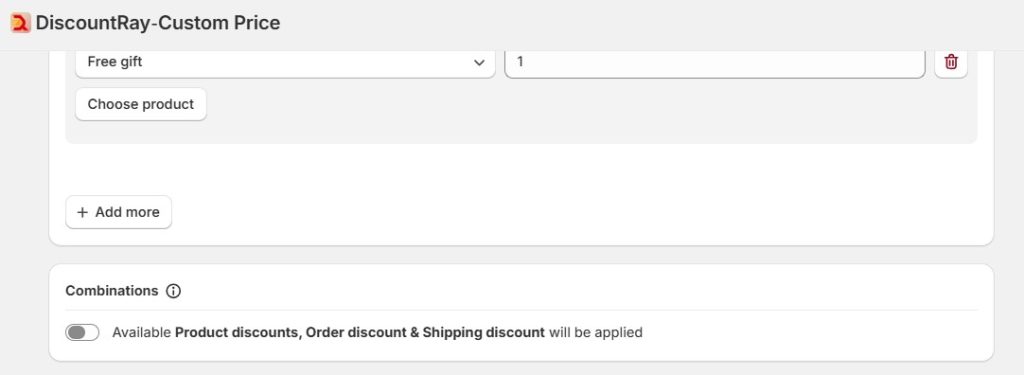
Les paramètres de combinaison de Shopify sont par défaut ceux que vous avez utilisés en dernier. Cela signifie que les règles créées appliquent un comportement de cumul qui n'a jamais été défini, mais qui est simplement hérité. Chaque nouvelle règle devrait explicitement indiquer si elle peut être combinée avec les remises sur les produits, les commandes et les frais de livraison. Il ne s'agit pas d'un comportement par défaut, mais d'une décision.
Créez une liste de produits protégés.
Vos produits à forte marge et vos nouveautés devraient être exclus par défaut des remises personnalisées. Pas au cas par cas, mais par défaut. Si un produit n'a pas besoin de remise pour se vendre, il ne devrait pas être concerné par une règle conçue à d'autres fins. C'est l'un des moyens les plus simples de préserver vos marges à mesure que vous développez votre activité, et cela est directement lié à… Comment fonctionnent les remises personnalisées ? Principe de ciblage uniquement là où les remises modifient réellement les comportements.
Planifiez un audit mensuel des règles.
Intégrez-le à votre calendrier comme un paiement de facture. Une fois par mois : connectez-vous, consultez la liste des règles actives, vérifiez celles qui ont expiré mais sont toujours en cours d'exécution, celles dont les paramètres combinés vous sont inconnus et les segments qui n'ont pas été revus depuis leur création. Cela prend 20 minutes et évite l'accumulation de règles obsolètes.
Voici le scénario qui coûte le plus cher aux commerçants, et ce, le plus discrètement.
Vous avez une règle qui offre 15% de réduction sur les commandes de plus de $100 aux clients étiquetés « VIP ». Vous avez également une règle qui offre 20% de réduction sur la collection éco-responsable aux clients étiquetés « développement durable ». Un client, qui remplit les deux conditions (et beaucoup de vos meilleurs clients le font), passe à la caisse : les deux règles s’appliquent. Shopify les combine selon sa logique. Selon vos paramètres, les réductions se cumulent. Ce client vient donc de bénéficier d’une réduction bien supérieure à celle prévue par chacune des règles.
Multipliez cela par 200 commandes par mois, et vous aurez restitué une part importante de votre marge sans la moindre décision délibérée.
Le calcul des remises cumulées est un aspect souvent négligé par les commerçants. Une remise de 15% sur un produit, suivie d'une remise de 10% sur la commande, ne donne pas une remise totale de 25%. Elle est de 23,5%, car la remise sur la commande s'applique au sous-total déjà réduit. Cet écart est faible par commande, mais il s'accumule rapidement sur un volume important.
C'est précisément là que réflexion sur la réduction forfaitaire Elle se réintroduit en douce par la petite porte, non pas à cause d'une promotion sur tout le site, mais parce que vos règles personnalisées se sont discrètement accumulées. La solution ? Une architecture de règles réfléchie, et non un dépannage réactif. Des applications comme RabaisRay sont conçus pour cela. La logique conditionnelle vous permet de définir explicitement le comportement d'empilement pour chaque règle ; vous décidez ainsi des combinaisons plutôt que de les découvrir a posteriori dans votre rapport de marge.
La vérité surprenante est la suivante :
Les commerçants qui maîtrisent l'utilisation des remises personnalisées n'imposent pas de nombreuses règles.
Ils gardent Moins de règles, mais plus intelligentes plutôt.
Plus de règles ne signifie pas plus de personnalisation. Plus de règles augmentent le risque d'erreurs. L'objectif est d'obtenir des règles plus intelligentes, qui accomplissent plus de tâches avec moins de chevauchement.
Fusionnez les segments qui se chevauchent.
Si vous avez une règle pour les « clients ayant passé au moins 3 commandes » et une autre pour les « clients ayant passé au moins 4 commandes », demandez-vous si les deux sont vraiment nécessaires. Souvent, elles ont été créées à des moments différents pour des raisons légèrement différentes, et l'une a rendu l'autre superflue. Des règles moins nombreuses et plus claires sont plus faciles à auditer, plus faciles à gérer et réduisent le risque de combinaisons indésirables.
Utilisez les étiquettes client comme unique source de vérité.
Une étiquette. Une règle. Lorsqu'une règle est déclenchée par une étiquette client valide et correctement mise à jour, tout est prévisible. En revanche, si les règles se déclenchent en fonction de conditions cumulées et d'une logique d'étiquettes qui se chevauchent, la prévisibilité disparaît. Un système d'étiquettes propre garantit la simplicité de la logique de remise.
Supprimer les règles qui ne sont pas justifiées.
Chaque règle active a un coût : risque de marge, frais de gestion, risque d’interaction avec d’autres éléments. Une règle qui a produit des résultats il y a six mois, mais qui n’a eu aucun impact depuis, n’est pas neutre. C’est un passif. exemple de magasin de bougies C'est une bonne illustration de cela : des règles ciblées et intentionnelles qui répondent à un besoin client précis à un moment donné, plutôt qu'une masse croissante d'offres dont personne ne peut pleinement se souvenir.
Prenez l'habitude de retirer les remises avec la même intention que celle qui vous a poussé à les accorder.
Un système de remises personnalisées bien géré sur Shopify ne paraît pas compliqué vu de l'intérieur. Il paraît même ennuyeux. Et c'est voulu.
Pour la plupart des commerçants de taille moyenne, gérer entre cinq et douze règles actives représente un plafond raisonnable sans outils dédiés. Au-delà, les coûts d'audit augmentent plus vite que les avantages de la personnalisation, sauf si des systèmes prennent en charge les tâches les plus complexes.
Un bilan mensuel porte sur quatre points : les éléments actifs, les éléments en cours de fusion, les éléments dont le coût dépasse les prévisions et les éléments à supprimer. C’est tout. Si votre bilan mensuel dure plus de 30 minutes, l’architecture de vos règles doit être simplifiée.
Lorsque vous développez des remises personnalisées sur Shopify, le succès ne réside pas dans la réduction du nombre de promotions. Il repose sur une connaissance précise du fonctionnement de chaque règle, de sa cible et de son coût.
Intégrez l'audit à votre routine. Nommez vos règles de manière à ce qu'elles soient explicites. Définissez intentionnellement les comportements combinés. Abandonnez ce qui ne fonctionne pas. En procédant ainsi régulièrement, la mise à l'échelle cessera d'être chaotique et deviendra un système que vous maîtrisez réellement.
Si vous avez plus de 10 à 12 règles actives, cela devient difficile à gérer.
Règle simple : si vous ne pouvez pas expliquer rapidement le rôle de chaque règle, c'est qu'il y en a trop.
Oui. Et cela provoque souvent des réductions supplémentaires que vous n'aviez pas prévuesContrôlez toujours les règles qui peuvent se combiner. Ne vous fiez pas aux paramètres par défaut.
Si votre les bénéfices chutent de façon inattendue Ou bien les clients obtiennent des offres plus avantageuses que prévu, les règles peuvent s'accumuler.
Solution : examinez et testez régulièrement vos règles avant de lancer des campagnes.
Vérifiez-les au moins une fois par moisDes étiquettes obsolètes entraînent des remises erronées, ce qui se traduit par une perte de profit.
Commencez avec notre forfait gratuit ou débloquez des fonctionnalités premium avec un essai gratuit de 14 jours.
Garantie de remboursement de 30 jours !



 Français
  English
  日本語
日本語  Deutsch
  Español
  简体中文
简体中文  Italiano