Il confronto tra DiscountRay e Kaching per Shopify sembra semplice finché non ci si rende conto che le due app risolvono problemi diversi. Kaching si concentra su offerte a pacchetto visive, sconti per quantità, sconti per volume e upsell per aumentare il valore medio dell'ordine nella pagina del prodotto. DiscountRay si concentra su regole di sconto automatiche, prezzi differenziati per gruppi di clienti B2B, logica a livello di carrello, regole basate sul paese e finestre promozionali programmate che possono essere eseguite senza codici coupon.
Per molti commercianti B2B, la strategia di prezzo statica sta diventando meno efficace, soprattutto perché gli acquirenti si aspettano prezzi e offerte più personalizzati. Secondo il rapporto State of the Connected Customer di Salesforce, 73% dei clienti si aspettano che le aziende comprendano le loro esigenze specifiche e forniscano consigli personalizzati. Ciò significa che non si tratta tanto di chiedersi "quale app è migliore in generale?", quanto piuttosto "quale app si adatta alla tua strategia di sconti?".
Scegli DiscountRay se il tuo negozio necessita di sconti automatici, regole di prezzo B2B, targeting basato sui clienti, logica del valore del carrello, campagne per eventi programmati, offerte basate sul paese o regole di sconto che si applicano senza codici coupon.
Scegli Kaching se il tuo negozio ha bisogno di widget per la visualizzazione dei pacchetti, visualizzazione degli sconti per quantità, upsell nelle pagine prodotto, test del layout dei pacchetti e crescita del valore medio dell'ordine in stile DTC tramite la presentazione delle offerte.
La differenza principale è questa: DiscountRay è un motore di sconti, mentre Kaching è uno strumento per la presentazione di pacchetti di prodotti e per l'upselling.
| Caratteristica | ScontoRay | Kaching |
| Sconti automatici | Adattamenti forti | Disponibile tramite logica di raggruppamento |
| Regole di prezzo B2B | Adattamenti forti | Non è l'obiettivo principale |
| Sconti per quantità | Supportato | Adattamenti forti |
| Widget di pacchetti visivi | Limitato rispetto alle app dedicate ai pacchetti | Adattamenti forti |
| Regali gratuiti | Supportato | Supportato |
| Targeting del gruppo di clienti | Adattamenti forti | Limitato per tipo di campagna |
| Regole relative al valore del carrello | Supportato | Non è l'obiettivo principale |
| Test A/B | Non posizionamento centrale | Disponibile |
| Campagne di eventi programmati | Adattamenti forti | Utile per le campagne di pacchetti di prodotti |
| Modello di prezzo | Piano tariffario, disponibile anche un piano gratuito | Installazione gratuita / scalabilità in base al fatturato |
| Tipo di negozio più adatto | B2B, vendita all'ingrosso, prezzi automatici | Crescita del valore medio dell'ordine di acquisto (AOV) con approccio DTC (Direct-to-Consumer) |
Le funzionalità e i modelli di prezzo delle app possono variare. Prima di procedere all'acquisto, verifica i dettagli più recenti nella pagina di ciascuna app sullo Shopify App Store.
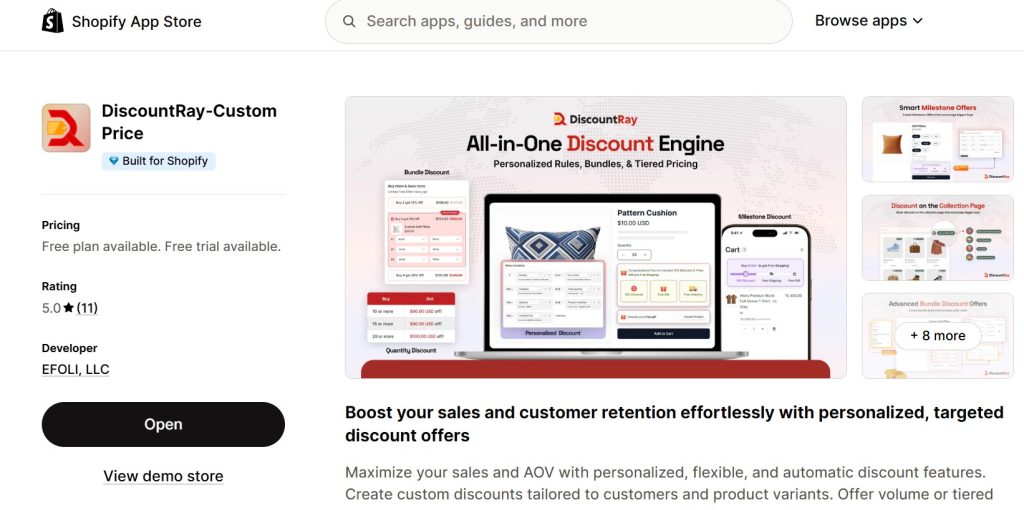
ScontoRay È progettata attorno a una logica di sconto flessibile. La sua scheda sull'App Store di Shopify include prezzi B2B personalizzati, sconti automatici basati sul tipo di cliente e sul valore del carrello, attivazione di omaggi, regole di sconto basate sul paese, sconti quantità specifici per variante e finestre promozionali programmate.
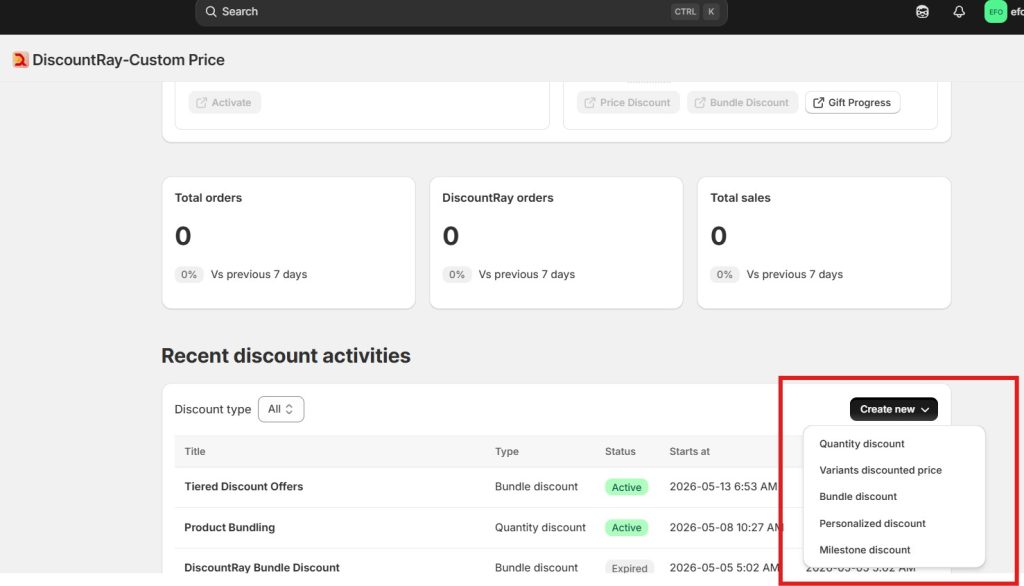
Ideale per: Sconti automatici, prezzi B2B, targeting per gruppi di clienti, regole a livello di carrello, regole basate sul paese e campagne evento.
Caratteristiche principali:
La differenza tra le funzionalità di DiscountRay e quelle di Kaching diventa evidente negli scenari B2B. Un acquirente all'ingrosso può ricevere automaticamente prezzi riservati a gruppi di clienti, anziché dover ricorrere a codici sconto o a soluzioni manuali per la determinazione dei prezzi. ScontoRay può contribuire a presentare offerte chiaramente definite e più facili da comprendere per gli acquirenti.
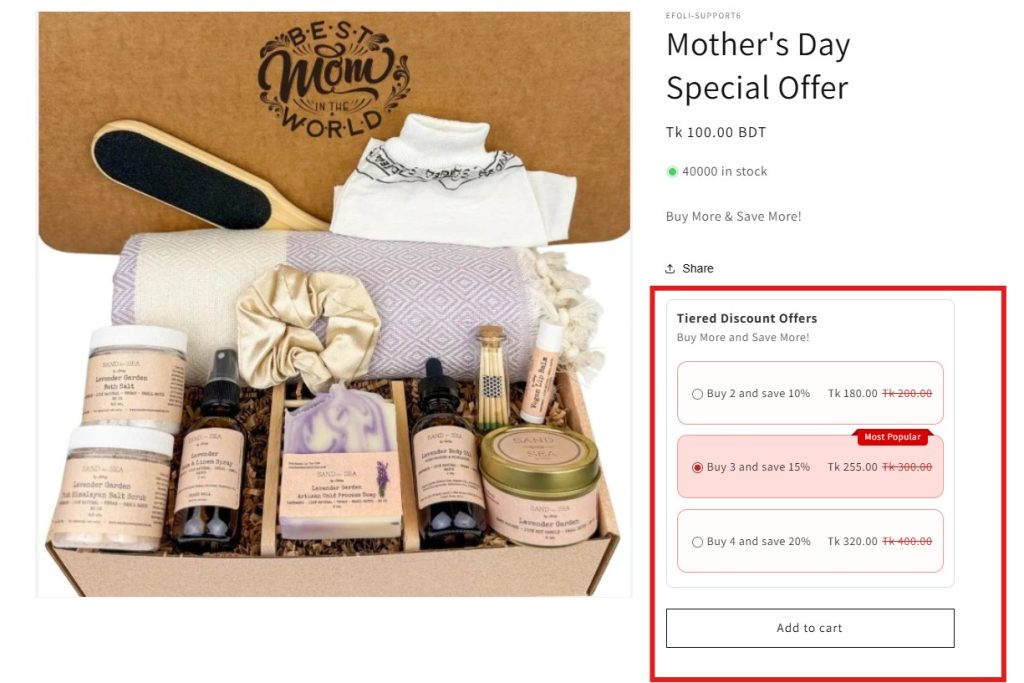
Pagina prodotto con DiscountRay
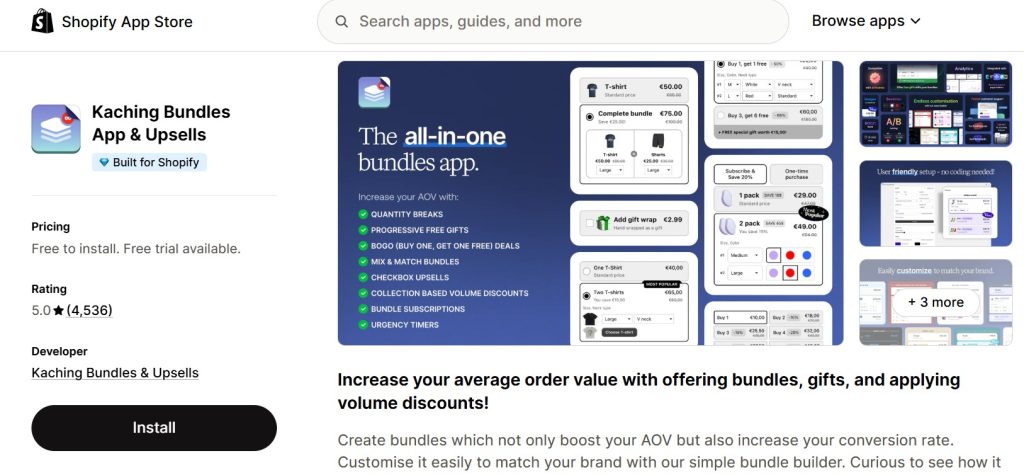
Kaching è incentrata sulla presentazione di pacchetti e upsell. La sua pagina sull'App Store di Shopify posiziona l'app in base a offerte a pacchetto, sconti per quantità, sconti per volume, offerte "compra uno, prendi uno gratis", visualizzazione di prezzi a livelli, omaggi e ottimizzazione del layout dei pacchetti.
Ideale per: Pacchetti di prodotti nelle pagine prodotto, visualizzazione degli sconti per quantità, upsell dei pacchetti e campagne di crescita del valore medio dell'ordine (AOV) per la vendita diretta al consumatore (DTC).
Caratteristiche principali:
I commercianti che cercano alternative a Kaching Bundle su Shopify spesso lo fanno perché desiderano un maggiore controllo sull'automazione degli sconti, sui prezzi B2B o su costi prevedibili man mano che il loro fatturato aumenta.
È qui che entra in gioco la questione del modello di prezzo dell'app Kaching, basato su un pacchetto, rispetto a una tariffa fissa, per i negozi in fase di espansione.
Kaching utilizza comunemente un modello di installazione gratuita o basato sulle entrate, in cui i costi possono dipendere dal contributo dell'app al fatturato dello store. Questo modello può sembrare equo all'inizio, ma potrebbe diventare più difficile da gestire a livello di budget man mano che le entrate derivanti dai pacchetti di app crescono.
DiscountRay utilizza un sistema di prezzi basato su piani, con un piano gratuito disponibile e livelli a pagamento ben definiti.
| fattore di prezzo | ScontoRay | Kaching |
| Opzione di ingresso | Piano gratuito disponibile | Installazione gratuita / opzioni di prova |
| Stile di prezzo | Livelli basati sul piano | Scalabilità basata sui ricavi |
| Prevedibilità | Più alto | Dipende dalle prestazioni del pacchetto |
| Ideale per negozi con elevato volume di vendite. | Maggiore idoneità per una pianificazione di bilancio prevedibile | Esamina attentamente prima di ridimensionare |
Per i commercianti che eseguono promozioni frequenti o volumi elevati di pacchetti, la prevedibilità dei prezzi può essere importante quanto il set di funzionalità stesso. Se esegui regolarmente campagne stagionali, consulta Come DiscountRay gestisce le campagne di sconti programmate per le festività. come esempio pratico di ciò che la tariffazione basata su piani tariffari consente di realizzare.
DiscountRay è la soluzione più adatta alle strategie di sconto B2B perché è progettato per offrire prezzi differenziati per gruppi di clienti, logiche di sconto automatiche, regole per il carrello e campagne programmate.
Shopify stesso lo nota Una strategia di prezzi B2B efficace dovrebbe visualizzare automaticamente livelli di prezzo personalizzati in base al cliente, inclusi prezzi fissi, sconti percentuali, sconti a scaglioni e sconti basati sul volume. DiscountRay è progettato per i commercianti che necessitano di prezzi basati su regole, sconti per gruppi di clienti e logica di sconto automatica all'interno di Shopify.
Se il negozio necessita di gruppi di clienti etichettati per ricevere prezzi automatici, DiscountRay gestisce questo aspetto in modo più diretto. Un acquirente all'ingrosso può aggiungere prodotti al carrello e ricevere il prezzo corretto in base alle regole del commerciante. Kaching può supportare i negozi in stile B2B tramite sconti per quantità e visualizzazione di pacchetti, ma il controllo dei prezzi B2B non è il suo caso d'uso principale. Per qualsiasi negozio in cui la precisione dei prezzi B2B e l'applicazione automatica sono importanti, DiscountRay è la soluzione più adatta.
La migliore app Shopify per gli sconti automatici è quella in cui lo sconto viene applicato in base a regole definite dal venditore, non in base a un codice che l'acquirente deve trovare e inserire.
DiscountRay può applicare sconti in base al tipo di cliente, al valore del carrello, alla selezione dei prodotti, al paese, alla quantità e alle finestre temporali programmate delle campagne. Kaching applica sconti tramite interazioni con i pacchetti e selezioni di offerte, solitamente legate al comportamento relativo ai pacchetti nella pagina del prodotto.
La differenza è importante: DiscountRay è incentrato sulle regole, mentre Kaching è incentrato sui widget.
I commercianti che desiderano che gli sconti vengano applicati senza l'azione dell'acquirente tendono a preferire DiscountRay. I commercianti che desiderano che il widget del pacchetto gestisca l'offerta tendono a preferire Kaching. Per le campagne basate su eventi in particolare, questa guida su come applicare sconti automatici per le festività su Shopify mostra come la logica basata sulle regole si applichi nella pratica.
Questo è un ambito in cui Kaching ha un chiaro vantaggio. Kaching include funzionalità di test A/B per il layout e la presentazione dei pacchetti, che consentono ai commercianti DTC di testare diversi design di widget o strutture di offerta.
DiscountRay non considera i test A/B una funzionalità fondamentale. Il suo valore risiede nella precisione degli sconti, nel targeting dei clienti e nell'automazione. Per i commercianti che gestiscono campagne DTC basate sui dati e desiderano ottimizzare le prestazioni dei widget di bundle, Kaching è più efficace. Per i commercianti che necessitano che le regole di sconto vengano applicate correttamente a tutti i gruppi di clienti, DiscountRay è la soluzione migliore.
Un grossista di integratori con 30 clienti B2B necessita di prezzi differenziati per ogni livello di cliente. L'applicazione automatica dei prezzi differenziati non richiede l'invio di codici sconto via email. DiscountRay è la soluzione ideale.
Un negozio di prodotti per la cura della pelle con vendita diretta al consumatore (DTC) vuole mostrare in modo ben visibile un'offerta "Compra 2 e ricevi 1 in omaggio" sulla pagina del prodotto e testare se un pacchetto con sconto percentuale o un pacchetto con prodotto gratuito converte meglio. Kaching è la soluzione più adatta.
Un marchio di abbigliamento all'ingrosso che sta organizzando una svendita natalizia desidera offrire prezzi differenziati per gli acquirenti B2B, mentre gli acquirenti al dettaglio visualizzeranno un'offerta separata e programmata nello stesso periodo. DiscountRay è la soluzione ideale.
Un marchio DTC monoprodotto desidera aumentare il valore medio dell'ordine (AOV) mostrando un widget chiaro con la suddivisione per quantità direttamente sulla pagina del prodotto. Kaching è la soluzione più adatta.
Scegli DiscountRay se il tuo negozio ha bisogno di:
Scegli Kaching se il tuo negozio ha bisogno di:
DiscountRay gestisce sconti automatici, prezzi per gruppi di clienti B2B, regole del carrello, regole basate sul paese e campagne programmate. Kaching gestisce widget di bundle visivi, sconti per quantità, upsell nelle pagine prodotto e crescita del valore medio dell'ordine (AOV) focalizzata sul DTC. Risolvono problemi diversi.
DiscountRay è più adatto al B2B perché è progettato per la definizione di prezzi per gruppi di clienti e per una logica di sconto automatica. Kaching è più indicato per la visualizzazione di pacchetti di prodotti e sconti per quantità nella pagina del prodotto.
Potrebbe funzionare a seconda della configurazione, ma le combinazioni di sconti dovrebbero sempre essere testate attentamente prima di essere pubblicate. Le interazioni con l'app variano in base alle regole di sconto di Shopify, al comportamento al momento del pagamento e alla configurazione della campagna.
DiscountRay è più adatto per le promozioni automatiche programmate perché supporta finestre di sconto programmate e logiche di sconto basate su regole. Kaching è più indicato per la visualizzazione continua di pacchetti e la presentazione di offerte sulla pagina del prodotto.
Kaching è principalmente un'app per la visualizzazione di pacchetti e offerte aggiuntive. Non è pensata per la gestione avanzata dei prezzi per gruppi di clienti B2B, per le regole di sconto automatico basate sul carrello o per la logica di sconto in base al paese. In questi ambiti, DiscountRay è più appropriata.
DiscountRay non è principalmente un widget per la visualizzazione di pacchetti di prodotti o uno strumento per i test A/B. Se l'obiettivo è testare i layout dei pacchetti nelle pagine dei prodotti o mostrare offerte con sconti per quantità altamente visive, Kaching è la soluzione più adatta.
Il confronto tra DiscountRay e Kaching per Shopify si basa su due strumenti completamente diversi. DiscountRay è un motore di sconti, mentre Kaching è uno strumento per la presentazione di pacchetti di prodotti e per l'upselling.
Un commerciante che ha bisogno di automatizzare i prezzi in base a chi è l'acquirente, quanto spende, dove si trova e quando è attiva la campagna dovrebbe scegliere DiscountRay. Un commerciante che desidera visualizzare widget accattivanti per sconti quantità e pacchetti sulle pagine prodotto dovrebbe scegliere Kaching.
Non esiste un vincitore assoluto nel confronto tra DiscountRay e Kaching per Shopify. L'app giusta dipende da cosa sta attualmente limitando le entrate del negozio. Identifica se il collo di bottiglia è la logica degli sconti o la presentazione dei pacchetti, quindi installa l'app di conseguenza. Testare l'intero flusso di checkout prima di qualsiasi campagna live è sempre il passaggio finale.
Inizia con il nostro piano gratuito o sblocca le funzionalità premium con una prova gratuita di 14 giorni.
Garanzia soddisfatti o rimborsati entro 30 giorni!



 Italiano
  English
  日本語
日本語  Français
  Deutsch
  Español
  简体中文
简体中文