SimplyCodesのレポート アメリカ人の5人に3人以上が、オンラインショッピングの際に積極的にプロモーション、値下げ、クーポンコードを探しています。そのため、Shopifyの割引設定ミスは、売上と利益の両方に静かに悪影響を及ぼす可能性があります。割引は顧客を引き付ける効果がありますが、設定を誤ると利益率が急速に低下してしまう恐れがあります。
多くの販売業者は、すべての顧客に同じオファーを適用したり、割引の重複を認めたり、商品のマージンを無視したりしています。これらのミスによって、割引は成功しているように見えますが、実際には利益は徐々に減少しています。このガイドでは、よくある10の割引ミスとその解決策について解説します。
Shopifyストア向けのより効果的な割引戦略を構築する方法については、引き続きお読みください。
Shopifyのネイティブ割引機能は、単純なケースでは有効です。
実際の店舗では、顧客セグメンテーション、除外ルール、マージン保護といった多層的なロジックが必要です。Shopifyの組み込み機能は、収益性の高い店舗が実際に必要とする機能の20%程度しか処理できません。
もう一方の80%は、手作業、カスタムコード、または割引戦略専用のアプリを必要とします。これが、たとえ戦略が適切であっても、販売者が割引で損失を出してしまう理由です。このツールは、真の収益性を実現するために必要な複雑な処理を実行できないのです。
これは、Shopifyの割引に関するよくある間違いです。例えば、「20%オフ」というプロモーションを作成し、初回訪問者、常連客、価格に敏感な閲覧者、卸売業者など、すべての人に適用してしまうケースです。
全員が全く同じ条件を受け取る。問題は?
初めてサイトを訪れるユーザーは価格に敏感で、20%のような割引がないと購入に至りません。そうでなければ売れなかったはずの売上を、割引によって獲得できたのです。しかし、リピーターにとっては、その割引は純粋な利益損失となります。
解決策はセグメンテーションです。 初回のお客様には20%割引を提供して獲得します。リピーターのお客様には10%割引または送料無料を提供します。VIP卸売顧客には、購入量に応じて25%割引を提供します。
各セグメントごとに、実際の価格感度と購買行動に基づいて調整された割引が適用されます。このアプローチには、Shopifyの標準機能ではうまく処理できない条件付き割引ロジックが必要となるため、多くの販売業者は顧客グループごとに割引額が過剰になったり不足したりしてしまうのです。
割引の重ね掛けは、顧客にとって意図せずして最も利益を生む間違いかもしれません。顧客がオンラインで25%のコードを見つけたとします。Shopifyには、3つ購入すると15%割引になる自動ボリュームブレークも有効になっています。
顧客が会計を済ませると、両方の割引が適用されている場合があります。あなたは「これはありえない。常識的な顧客ならこんなことは期待しないだろう」と思うでしょう。
賢い買い物客はすぐにシステムを攻略する。
このShopifyの割引に関するミスは、Shopifyの標準割引ルールが重複購入を効果的に防止できないために発生します。自動割引を設定したり、クーポンコードを設定したり、数量割引を設定したりすることはできますが、あらゆる組み合わせに対して除外ルールを作成しない限り、「この割引とこの割引は併用しない」という簡単な指示を出す方法はありません。
解決策は、割引除外ルールを明確かつ早期に設定することです。
ほとんどの店舗は、割引を実施する前に、その割引が利益率にどのような影響を与えるかを事前に計算していません。「今週は25%の割引を実施しよう」と決めても、それが実際に利益にどのような影響を与えるかは計算しないのです。
収益性を損なう本当の計算式は以下のとおりです。
ほとんどの販売業者は割引幅について考える。賢い販売業者は利益率の下限について考える。「いかなる商品についても、粗利益率20%を下回る割引は決して行わない。以上。」
解決策は、製品の利益率に応じて割引率を段階的に設定することです。
B2B事業者は、B2C事業者が直面することのない特有の割引問題を抱えています。卸売顧客は段階的な価格設定を期待します。例えば、10個購入でX価格、50個購入でY価格、100個購入でZ価格といった具合です。
しかし、彼らはまた以下のことも望んでいる。
多くのB2B事業者は、スプレッドシートと手動見積もりでこれを管理しようとしています。顧客に個別の見積もりを送り、注文ごとに手動で割引を計算しています。しかし、年間売上高が1,400,000ドルを超えると、この方法は持続可能ではありません。
よくある間違いは、すべての人に同じ段階割引を適用することです。「10個購入で5%割引。50個購入で15%割引。」しかし、卸売顧客と小売顧客では全く異なる段階割引が必要です。
卸売りの場合は10個で25%節約できるはずです(大量購入の方が配送コストが安いため)。小売りの場合は10個で5%節約できるはずです(小口購入者であるため)。利益率を損なったり、顧客を失ったりすることなく、両方に同じ割引を適用することは不可能です。
解決策は、顧客タイプ別にセグメント化することです。
今回は、Shopifyでよくある割引の失敗例5つ目です。割引による共食い現象とは、商品Aのプロモーションを行った際に、顧客が本来購入予定だった利益率の高い商品Bではなく、商品Aを購入してしまう現象です。
例: あなたはスキンケアセットと単品ボトルを販売しています。
あなたは製品間の相互影響について考えていません。顧客の行動パターンを考慮せずに、一つの製品だけを最適化しようとしているのです。
解決策としては、利益率の低い商品のみを割引対象とするか、割引を戦略的に組み合わせることです。
数量割引 大量購入は罰せられるべきではなく、奨励されるべきである。しかし、多くの店舗は実際のコストを理解せずに、逆算的な仕組みを構築している。
「1個購入で定価。5個購入で5%割引。20個購入で10%割引。」これは一見妥当に見えますが、実際の1個あたりの利益率を計算するとそうではありません。
誰かが20個購入した場合、あなたは以下の金額を節約できます。
解決策:
多くのShopifyストアでは、個別のコードを使用して段階的な割引を手動で実施しようとしています。数量割引は存在しますが、論理的な価格設定システムではなく、割引インターフェースを通じて作成されています。
数量のしきい値ごとに10種類の割引コードを作成します。
しかし、顧客はどのコードが自分の状況に適用されるのか分からず、混乱してしまう。中には全くコードを使わない人もいる。そうなると、収益機会を逃してしまうことになる。あるいは、複数のコードを試そうとする顧客もいて、またしても重複適用の問題に直面する。
解決策は、透明性のある自動段階割引を使用することです。 段階割引アプリ コードなしの場合:
パーソナライズされた割引は、実際に効果のある成長促進策です。既存顧客は、価格に敏感な新規ユーザーよりもお得な割引を受けるべきです。しかし、大規模なパーソナライゼーションには、手作業ではなく、ルールに基づいた自動化が必要です。
多くの店舗は、顧客一人ひとりに合わせたパーソナライズを手作業で行っています。例えば、リピーター客を見つけて特別オファーをメールで送るといった方法です。これは1日に10人の顧客に対しては有効ですが、100人や1,000人といった大規模な顧客に対しては通用しません。
プロセスは自動化され、かつインテリジェントである必要があります。Shopifyの割引に関する今回の間違いは、必要なインフラが整っていない状態でパーソナライズを試みていることです。
解決策は、条件付きルールでパーソナライゼーションを自動的に処理することです。
BOGO(1つ買うともう1つ無料)キャンペーンは、一見すると簡単そうに見えても、実際には利益を出すのが非常に難しい。表面的には、顧客が1つの商品を購入すると、もう1つが無料になる。最初の商品で利益を出し、2つ目の商品は無料で提供する、というわけだ。
しかし、ほとんどの店舗が犯す間違いはここにある。顧客が何を選ぶかをコントロールせずに、利益率の高い商品を1つ買うともう1つ無料にするセールを実施しているのだ。
「シャツを1枚$50で購入すると、もう1枚無料。」シャツの製造コストは$15です。利益率は70%です。この商品でBOGO(1枚買うともう1枚無料)を実施すると、利益が出そうです。
しかし、顧客が無料アイテムとして実際にどの商品を選んだかは追跡していません。賢い顧客はシステムを悪用します。
解決策は、BOGO(1つ買うともう1つ無料)の対象商品を限定することです。
これで、Shopifyの割引に関するよくある間違いの最後になります。あなたのストアでは、季節割引(20%オフ)、ロイヤルティ割引(10%オフ)、数量割引(5個購入ごとにさらに5%オフ)の3種類の割引を実施しています。顧客がセール期間中に注文し、ロイヤルティステータスを持ち、15個の商品を注文しました。
実際の支払額はいくらなのでしょうか?Shopifyには明確な回答が組み込まれていません。割引が適用される場合もあれば、重複して適用される場合、あるいは競合する場合もあります。これはルールの順序によって異なりますが、その順序については誰も文書化していません。
Shopifyの割引に関するこのミスが混乱を引き起こしている:
解決策は、明確な割引階層を文書化し、それを徹底することです。
空白の印刷メディア南アフリカの印刷用品会社である は、昇華マグカップ、キーホルダー、ビニールロール、バナー生地、包装資材、印刷アクセサリーなどの製品を販売しています。Shopifyのカタログが拡大するにつれて、多くの製品に異なるサイズ、仕上げ、バリエーションごとの価格設定が必要になったため、割引の管理がより複雑になりました。
彼らの主な課題は、割引が不足していたことではなかった。問題は、割引の管理や表示が簡単ではなかったことだった。Shopifyのネイティブな価格設定システムでは、バリエーションごとの割引価格を表示したり、商品ページで直接まとめ買いのオファーを宣伝したり、数百もの商品バリエーションを手作業なしで最新の状態に維持したりすることが困難だったのだ。
大量購入者や印刷業者を顧客とする店舗にとって、これは3つの大きな問題を引き起こしました。
この問題を解決するため、Blank Print MediaはDiscountRayのGrowthプランの利用を開始しました。DiscountRayを利用することで、商品を重複登録したり、カスタムコードを記述したりすることなく、1つのダッシュボードからバリエーションレベルの割引や数量ベースの割引を管理できるようになりました。
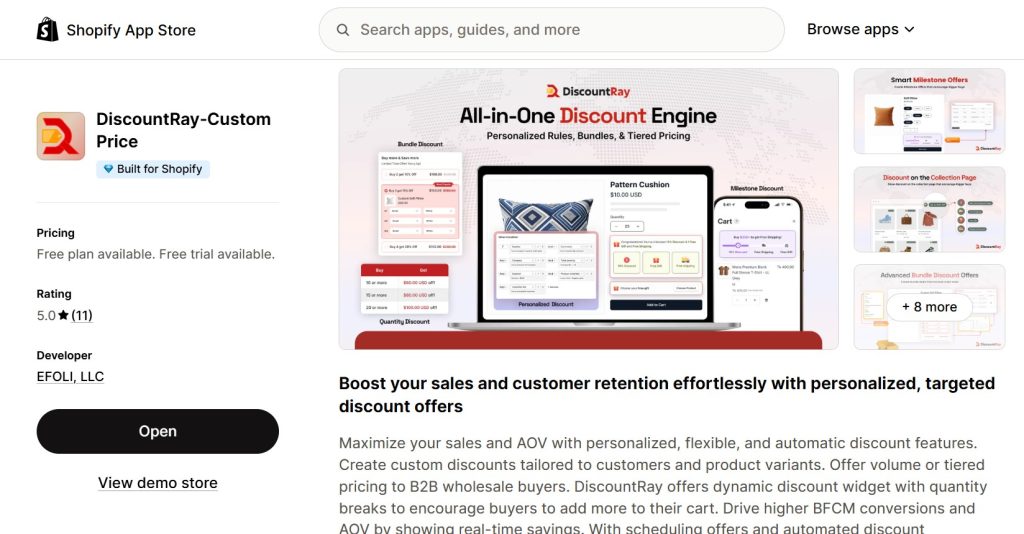
変更点は以下のとおりです。
これにより、顧客は決済前に適切な割引額を確認でき、オファーをより明確に比較し、より安心してまとめ買いできるようになりました。また、Blank Print Mediaのチームは、手作業による価格設定作業を削減し、店舗全体で割引ルールの一貫性を保つことができました。
その結果、割引体験がよりスムーズになり、大量購入者の注文に対する信頼度が高まり、業務が簡素化され、価格設定ミスが減り、顧客からの信頼が強化された。
彼ら自身のレビューにもその影響が反映されていた。 「コンバージョン率向上に本当に役立つ素晴らしいアプリです。誰にでもお勧めします!」
これは、Shopifyのマーチャントが目指すべき割引の実施方法です。目標は、あらゆる場所でより大きな割引を提供することではありません。目標は、適切な商品に対して、適切な購入者に対して、適切なタイミングで、適切な割引を提供することです。
Shopifyの割引に関するミスは、根本原因が一つあります。それは、条件付きロジックの欠如です。「顧客がリピーターであれば10%を適用し、そうでなければ20%を適用する」といったことはできません。Shopifyには、if-thenルールが標準で備わっていないのです。
これが、小売業者が割引で損をする理由です。
適切な Shopifyサードパーティ割引アプリ 割引と戦略を組み合わせることで、割引は破壊的なものではなく、収益性の高いものとなる。条件付き割引ロジックは、大規模な割引事業におけるあらゆる収益性の高い事業の基盤となる。
Shopifyの割引でよくある10の間違いについて、ご理解いただけたでしょうか。これで、Shopifyストアで割引を提供する際に避けるべきことと、その回避方法が分かりました。同じ間違いを繰り返して損失を被らないようにしましょう。
他のユーザーから学び、そしてもちろん私たちのブログも参考に、Shopifyでのビジネスを成功させましょう。Shopifyに関するその他のヒントやコツについては、当ウェブサイトの他のブログもぜひご覧ください。
それは完全に製品ごとの利益率によります。利益率が60%の場合、25%割引しても35%の粗利益が残ります。利益率が40%の場合、25%割引すると15%しか残りません。まずは利益率を把握し、それに応じて割引額を制限してください。平均的な店舗では、売上の10~15%を割引に充てることを目指すべきです。
はい、ただし意図的に設計した場合に限ります。「5個購入で10%割引。ロイヤルティ会員はさらに3%割引。」合計13%です。あなたはそれを予測し、コントロールできます。割引が偶然に重ならないようにしてください。
通常はそうです。新規顧客は、購入を促し、取引の障壁を減らすために価格面でのインセンティブが必要です。リピーターは既にあなたを信頼しており、定価で購入します。新規顧客獲得には割引を活用し、既存顧客維持にはロイヤルティ特典を活用しましょう。状況に応じて適切なツールを使い分けることが重要です。
いいえ。不適切な値引きは利益を損なうだけです。賢明な値引きは、購入を迷っている顧客を定価で購入させることで利益を増加させます。一方、愚かな値引きは、忠実な顧客を不必要に値引きすることで利益を減少させます。その違いは、戦略と実行力にあります。
無料プランから始めるか、14 日間の無料トライアルでプレミアム機能をご利用ください。
30日間返金保証!



 日本語
日本語  English
  Français
  Deutsch
  Español
  简体中文
简体中文  Italiano